
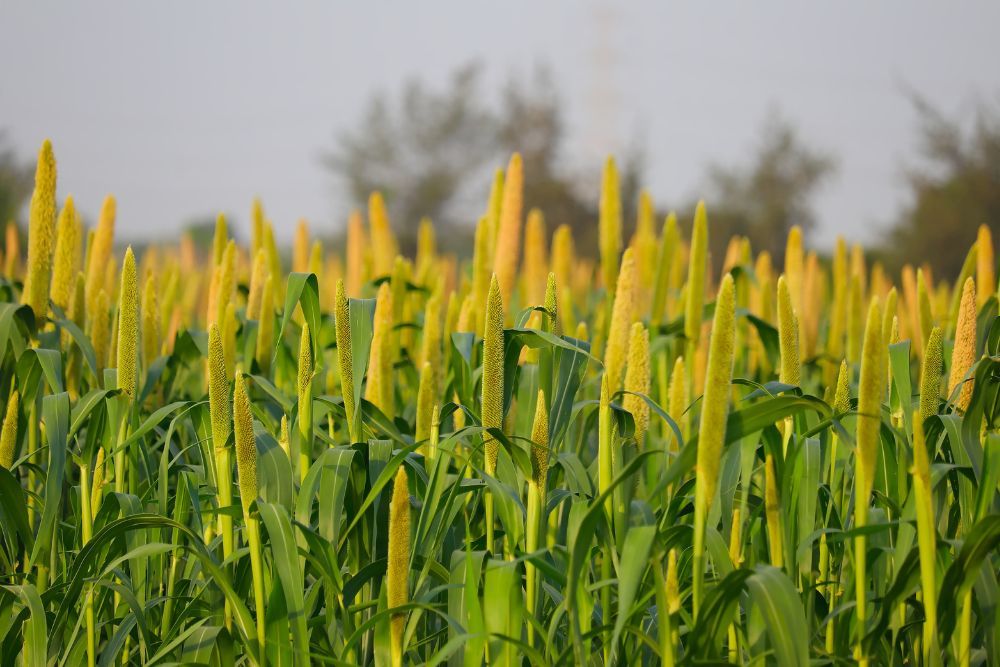
The food traditions of southern Odisha tell a story of agriculture, forests, seasonal ingredients and community life. In the hills and valleys of Koraput, Rayagada, Malkangiri and Kandhamal, local meals often reflect generations of knowledge about growing crops, gathering ingredients and preparing food according to the seasons.
Traditional tribal food of Odisha is closely associated with millets, rice, pulses, leafy vegetables, bamboo shoots, tubers and locally grown produce. Some communities also prepare fish, meat and fermented foods, depending on household preferences, cultural traditions and availability.
One of the best-known foods is mandia pej, a finger millet preparation traditionally consumed in parts of southern Odisha. Other regional specialities include millet flatbreads, bamboo shoot curries, seasonal greens and dishes made with locally cultivated pulses.
For travellers visiting Koraput and surrounding tribal regions, learning about food offers a meaningful way to understand local culture beyond sightseeing.
This guide explores traditional foods of southern Odisha, important ingredients, regional cooking practices and how visitors can experience local cuisine respectfully during an Odisha tribal tour.
What Makes Traditional Tribal Food of Odisha Unique?
Unlike restaurant menus that present a fixed collection of dishes, traditional food practices in Odisha’s indigenous communities are shaped by the local environment, agricultural seasons and individual households.
In the Koraput region, communities such as the Gadaba, Paraja, Bhumia and others have long cultivated or used a variety of grains, pulses and vegetables.
Food traditions may include:
- Finger millet and other locally cultivated millets.
- Rice and traditional rice varieties.
- Pulses, beans and seasonal vegetables.
- Leafy greens and locally available herbs.
- Bamboo shoots, tubers and forest foods.
- Tamarind, chillies and other flavouring ingredients.
- Fish or meat in households and communities where these are part of the diet.
These foods are not identical across every village or tribe. Ingredients, recipes and eating habits differ according to community traditions, geography, season and household circumstances.
The region’s cuisine also overlaps with wider Odia food traditions and influences from neighbouring areas of Andhra Pradesh.
To understand the wider cultural context, explore our Tribal Culture of Odisha guide.
10 Traditional Foods and Ingredients to Discover in Koraput and Southern Odisha
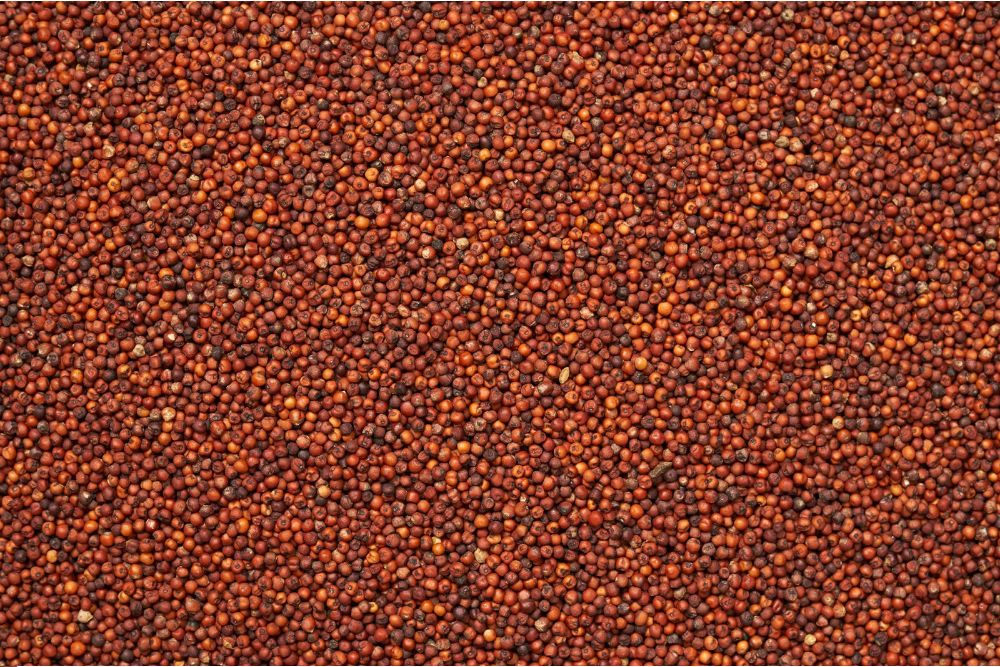
1. Mandia Pej or Mandia Jau – Traditional Finger Millet Porridge
Mandia pej is among the most recognizable traditional foods associated with southern Odisha.
Mandia is the Odia name for finger millet, also known as ragi. Depending on the household and local recipe, millet flour is cooked with water or combined with rice-based preparations to produce a drinkable gruel or thicker porridge.
Some versions are consumed fresh, while others may be prepared or kept in ways that allow fermentation.
In many rural households, millet preparations have historically formed part of everyday meals.
The taste is generally earthy and mild, although texture and flavour depend on the ingredients and preparation.
Why it matters: Mandia pej represents the longstanding connection between millet cultivation, household food traditions and the agricultural landscape of southern Odisha.
Where to learn about it: Koraput and other millet-growing regions of southern Odisha.
2. Mandia Ruti – Finger Millet Flatbread
Mandia ruti is a flatbread prepared using finger millet flour.
It is an example of how a single locally grown grain can be used in different ways.
Millet flatbreads may be eaten with vegetables, pulses or other accompaniments according to household preferences.
Compared with wheat-based flatbreads, ragi preparations have a distinctive flavour and texture.
For visitors interested in traditional food, mandia ruti offers an introduction to the versatility of finger millet.
Where to look: Local food establishments, regional food events or community-approved food experiences where the dish is actually prepared.
3. Mandia Pitha – Traditional Millet Cakes
Pitha is a broad term used for several kinds of traditional cakes and snacks in Odisha.
In southern Odisha, finger millet may be used in certain pitha preparations.
Recipes can differ significantly. Some involve steaming, while others use different cooking methods and locally available ingredients.
Millet-based pitha demonstrates how traditional grains are incorporated into foods beyond everyday porridge.
Visitors may encounter these preparations at regional food events, millet festivals or local eateries.
Food tip: Ask about the ingredients rather than assuming every pitha is made with rice or is suitable for a particular diet.
4. Suan Bhata – Little Millet Rice
Suan is commonly associated with little millet, a small-grained cereal cultivated in parts of Odisha.
When cooked, little millet can be served as a rice-like staple.
Traditional millet foods are significant because different grains can be grown under different local agricultural conditions.
Suan bhata is documented among the food traditions of several indigenous communities in Odisha.
It may be accompanied by vegetables, pulses or other locally prepared dishes.
For travellers, this is an opportunity to discover a grain that is less familiar than ordinary rice.
5. Karadi – Bamboo Shoot Preparations
Bamboo shoots, locally known as karadi in many Odia food contexts, are an important seasonal ingredient in parts of southern Odisha.
Tender bamboo shoots may be prepared in curries or stir-fried dishes.
The taste and texture depend on the variety and cooking method.
Bamboo shoot dishes are particularly associated with the monsoon and other periods when suitable shoots are available.
Not every restaurant or household prepares them in the same way.
Important: Bamboo shoots must be properly processed and cooked. Visitors should not eat unidentified or raw wild bamboo shoots.
6. Saaga – Seasonal Leafy Vegetables
Leafy vegetables are an important part of food traditions throughout Odisha, including rural and indigenous households.
Depending on season and location, meals may include cultivated greens or locally gathered edible leaves.
These may be prepared simply with oil, salt, spices or other ingredients.
In Koraput, traditional food knowledge includes familiarity with a wide variety of edible plants.
For travellers, a freshly prepared saaga dish can reveal how everyday cooking changes with the agricultural calendar.
Where to experience it: Local restaurants serving regional meals or properly arranged home-cooked food experiences.
7. Kandula Dal and Locally Grown Pulses
Pulses are another important part of the agricultural and food traditions of southern Odisha.
Kandula, associated with pigeon pea, is cultivated in parts of the region and may be prepared in dal or other dishes.
Different communities also grow and use other pulses and beans.
These foods are often served alongside rice or millet preparations.
The combination of grains, pulses and vegetables reflects the importance of locally available agricultural produce in everyday cooking.
8. Wild Mushrooms and Seasonal Forest Foods
Seasonal mushrooms and other forest foods feature in the food traditions of some communities in southern Odisha.
Odisha Tourism identifies boda chhatu, a type of wild mushroom, among the region’s culinary specialities.
Forest foods can be culturally important, but their availability and consumption depend on local knowledge, seasonal conditions and access.
Safety advice: Never gather or consume wild mushrooms without reliable expert identification. Some poisonous mushrooms resemble edible varieties.
Travellers should experience these foods only through reputable, knowledgeable food providers.
9. Tubers, Roots and Jackfruit
Traditional food systems in parts of southern Odisha include a variety of tubers, roots and seasonal plant foods.
Jackfruit and its seeds are also used in regional cooking.
For example, panasa manji bhaja, a jackfruit seed preparation, is associated with Koraput’s wider local cuisine.
These ingredients show how food traditions make use of seasonal produce beyond common vegetables.
Preparation is important: some wild tubers require specific processing to make them safe to eat.
Visitors should not attempt to identify or prepare wild roots independently.
10. Tamarind Chutney and Local Accompaniments
Tamarind is widely used in food preparations across Odisha.
In some traditional meals, tamarind or mango-based accompaniments may be served with rice, pulses and vegetables.
These preparations can add sourness and contrast to otherwise simple meals.
The exact recipe varies by household and region.
Such accompaniments may appear modest, but they are part of the everyday culinary knowledge that gives local food its identity.
Traditional Food of the Gadaba, Paraja, Bonda and Dongria Kondh Communities
It is important not to describe all tribal food traditions as one uniform cuisine.
Each community has its own agricultural practices, food preferences and cultural context.
Gadaba Food Traditions
The Gadaba are among the indigenous communities associated with the Koraput region.
Traditional descriptions of Gadaba food include mandia pej, rice, pulses, vegetables, bamboo shoots and seasonal foods.
Food practices also change over time, and present-day households may combine traditional ingredients with widely available contemporary foods.
Visitors interested in Gadaba culture can learn about the connection between farming, village life and food traditions through respectful, locally guided experiences.
Explore: Gadaba Tribe of Odisha
Paraja Food Traditions
The Paraja, also written Paroja, are widely associated with the Koraput region.
Agriculture forms an important part of life in many Paraja villages.
Rice, millets, pulses and seasonal vegetables contribute to the broader food traditions of the region.
Rather than expecting a single distinctive Paraja dish, visitors should approach food as one part of a living cultural system that includes farming, local markets, family traditions and seasonal celebrations.
Explore: Paraja Tribe of Odisha
Bonda Food Traditions
The Bonda are associated with the hill regions of Malkangiri.
Ethnographic documentation records millet-based preparations, including porridge and grain dishes, within Bonda food traditions.
Such foods reflect the importance of traditional crops and locally adapted agriculture.
However, food practices differ between households and may change over time.
Visits to Bonda cultural regions should always respect local access conditions and community preferences.
Explore: Bonda Tribe of Odisha
Dongria Kondh Food Traditions
The Dongria Kondh are closely associated with the Niyamgiri Hills.
Their food traditions are connected with agriculture, horticulture and the surrounding landscape.
Millet preparations and other locally available crops feature in ethnographic accounts of the community.
The Niyamgiri region illustrates how food, farming and cultural identity can be closely connected.
Explore: Dongria Kondh Tribe
Why Millets Are Important in Tribal Odisha
Millets are central to understanding many traditional food systems of southern Odisha.
Finger millet, little millet and other small millets have been cultivated in parts of the region for generations.
Adapted to Local Farming Conditions
Different millet varieties can be suited to rain-fed farming and varied terrain.
Their cultivation has long formed part of the agricultural knowledge of local communities.
Part of Everyday Food Traditions
Millets may be prepared as porridge, cooked grains, flatbreads or traditional snacks.
Connected with Cultural Practices
In some communities, particular grains or preparations also have roles in festivals and rituals.
A Living Food Heritage
Millet consumption and farming practices have changed over time.
Today, farmers, community groups and public programmes are working to support millet cultivation, consumption and traditional recipes.
Odisha’s Shree Anna Abhiyan, which grew from the Odisha Millets Mission, is one example of efforts to promote millets and related food traditions.
Related reading: Tribal Festivals of Odisha
Traditional Cooking Methods in Southern Odisha
Food preparation is another important part of the region’s cultural heritage.
Depending on the household, dishes may be cooked using firewood, gas or other available methods.
Some traditional preparations involve boiling grains, cooking vegetables in metal or earthen vessels, roasting ingredients or steaming food in leaves.
Food knowledge is often passed through family and community practice.
However, travellers should avoid assuming that every indigenous household cooks over an open fire or follows unchanged historical methods.
Contemporary village life includes a mixture of traditional knowledge and modern conveniences.
The most meaningful food experiences come from learning how local people actually prepare and enjoy meals today.
Food and Weekly Tribal Markets in Odisha
Weekly markets provide an opportunity to understand the ingredients used in regional cooking.
At markets such as Chatikona, Onukadelli and Kunduli, visitors may see agricultural produce, vegetables, seasonal fruits, grains and other locally traded goods.
These are functioning marketplaces serving local communities, not food exhibitions created for tourists.
Chatikona Market
Located in the wider Rayagada region, Chatikona is associated with communities from the surrounding Niyamgiri area.
Market visits can help travellers observe the seasonal availability of produce and the role of trade in rural life.
Read: Chatikona Tribal Market
Onukadelli Market
Onukadelli, in Malkangiri district, is known for its weekly market attended by people from surrounding communities.
Agricultural goods and everyday products are among the items traded.
Read: Onukadelli Tribal Market
Kunduli Market
Kunduli is another important weekly market in the Koraput region.
It offers a view of regional trade, agricultural produce and local community life.
Read: Kunduli Tribal Market
For travellers planning to visit all three markets, see our Odisha Tribal Market Circuit Guide.
Where Can Travellers Experience Traditional Food in Koraput?
There is no guarantee that every traditional dish will be available on a particular travel date.
Food experiences depend on season, location, local arrangements and the preferences of hosts.
1. Local Restaurants in Koraput and Jeypore
Regional restaurants may serve Odia meals and some local specialities.
Visitors can ask about mandia preparations, saaga, seasonal vegetables and locally grown ingredients.
Not every restaurant offers community-specific tribal dishes, so menus should be checked in advance.
2. Public Food and Cultural Festivals
Regional festivals, food exhibitions and millet-related events may offer opportunities to learn about local ingredients and recipes.
These are often suitable settings for visitors interested in food culture.
3. Community-Approved Food Experiences
Where available, a locally organized food experience may offer a deeper understanding of traditional ingredients and preparation.
Such arrangements should be voluntary, appropriately compensated and respectful of household privacy.
4. Weekly Markets
Markets are useful for observing regional ingredients and agricultural produce.
However, a market visit should not be treated as an invitation to enter private homes or request meals from vendors without prior arrangements.
Explore: Koraput Tribal Tour Guide
What Can Vegetarian Travellers Eat in Tribal Odisha?
Vegetarian travellers may find suitable options in Koraput and other parts of southern Odisha.
Common possibilities include:
- Rice with dal and cooked vegetables.
- Mandia pej or other millet preparations, depending on ingredients.
- Seasonal saaga dishes.
- Locally prepared vegetable curries.
- Certain millet flatbreads and snacks.
However, vegetarian availability varies, particularly in remote locations.
Travellers should communicate their dietary requirements before the journey.
It is also important to ask whether a dish contains meat, fish, eggs or other ingredients that may not be immediately obvious.
For vegan travellers, confirming the use of dairy products, ghee and other animal-derived ingredients is equally important.
Food Safety Tips for International Travellers
Exploring regional cuisine can be a rewarding part of travel, but basic food precautions are important.
Choose Freshly Prepared Meals
Prefer food prepared hygienically and served hot.
Drink Safe Water
Use properly treated, filtered or sealed drinking water.
Be Careful with Raw Ingredients
Wash or peel produce using safe water, and avoid raw foods of uncertain hygiene.
Do Not Eat Unidentified Forest Foods
Wild mushrooms, bamboo shoots and certain tubers may require expert identification or special preparation.
Ask About Ingredients
Tell your guide or host about allergies, dietary restrictions and food intolerances.
Avoid Unfamiliar Fermented Drinks of Uncertain Origin
Traditional fermented foods and beverages may be part of local culture, but preparation standards vary.
Travellers should make informed choices based on hygiene, ingredients and personal health considerations.
Food, Agriculture and Cultural Identity
Traditional food is closely connected with the agricultural landscape of southern Odisha.
Millet fields, rice cultivation, seasonal vegetables and locally traded produce all contribute to regional food systems.
For some indigenous communities, farming is also connected with cultural celebrations and community relationships.
Food knowledge may include understanding which crops suit particular land, when ingredients are available and how they should be prepared.
This knowledge is not static.
Communities continue to adapt their diets, agricultural practices and cooking methods in response to changing circumstances.
Respectful cultural tourism recognizes both the historical importance and contemporary reality of these food traditions.
Read: Tribal Villages of Odisha
How to Experience Tribal Food Respectfully
Visitors interested in local cuisine should approach food experiences with curiosity and respect.
Ask rather than assume. Do not expect every household to prepare a particular dish.
Respect privacy. A village visit does not automatically include access to family kitchens or meals.
Pay fairly. If a cooking demonstration or meal is arranged, hosts should be appropriately compensated.
Request permission for photography. Always ask before photographing people, kitchens or food preparation.
Avoid treating unusual ingredients as entertainment. Describe unfamiliar foods respectfully.
Support local producers. Purchase appropriate local products through normal trading channels.
Understand seasonal availability. Traditional foods are often linked to the agricultural calendar and may not be available year-round.
These principles help ensure that food tourism benefits local communities and respects cultural boundaries.
Read: Responsible Tribal Tourism in Odisha
Can You Include Traditional Food Experiences in an Odisha Tribal Tour?
Yes, depending on the route, travel dates and suitable local arrangements.
A private cultural tour can combine destinations, weekly markets and opportunities to learn about regional food traditions.
For example, a journey through southern Odisha may include:
Bhubaneswar → Rayagada → Chatikona → Jeypore → Onukadelli → Gadaba Village Region → Kunduli → Koraput
Along the route, travellers may discover millet cultivation, seasonal produce and local food specialities.
Where available and appropriate, a regional meal or community-approved cooking experience may be arranged in advance.
However, specific dishes and village meals should never be promised without confirmation.
Explore: Odisha Tribal Tour Packages
Frequently Asked Questions About Traditional Tribal Food of Odisha
What is the traditional tribal food of Odisha?
Traditional food varies between communities, but many southern Odisha food traditions include millets, rice, pulses, leafy vegetables, bamboo shoots, tubers and seasonal produce.
What is mandia pej?
Mandia pej is a finger millet preparation commonly associated with traditional food in parts of southern Odisha. It may be served as a drinkable gruel or porridge, depending on the recipe.
What food is Koraput famous for?
Koraput is known for millet-based foods such as mandia jau, mandia ruti and regional preparations using bamboo shoots, leafy vegetables, pulses and seasonal produce.
Do tribal communities in Odisha eat millet?
Yes. Millets have traditionally formed part of the agricultural and food systems of several indigenous communities, although present-day consumption varies.
Is tribal food in Odisha vegetarian?
Many traditional preparations use grains, pulses and vegetables, but some households and communities also consume fish, meat or other animal products.
Can tourists try traditional tribal food in Koraput?
Visitors may find regional foods at local eateries, public food events or through suitable prearranged community-approved experiences. Availability cannot be guaranteed.
What is karadi in Odisha cuisine?
Karadi refers to bamboo shoots used in certain regional preparations. Bamboo shoots must be processed and cooked properly before consumption.
What is suan bhata?
Suan bhata is a preparation of little millet cooked as a rice-like staple.
Where can I learn about local food traditions in southern Odisha?
Koraput, Jeypore and the surrounding cultural regions offer opportunities to explore regional cuisine, agricultural markets and millet-based food traditions.
Can traditional food experiences be included in an Odisha tribal tour?
Yes, where suitable arrangements are available. Visitors should confirm the experience, menu, dietary needs and local participation in advance.
Discover the Food and Culture of Tribal Odisha
Traditional tribal food of Odisha offers a deeper understanding of the region’s living cultural heritage.
From mandia pej and millet flatbreads to bamboo shoot dishes, leafy vegetables and seasonal produce, local cuisine reflects the relationship between communities, agriculture and landscape.
For travellers exploring Koraput and southern Odisha, these food traditions can add an important cultural dimension to a journey through villages, weekly markets and scenic destinations.
At Odisha Tribal Trails, we organize private and customizable journeys through Koraput, Rayagada, Malkangiri, Kandhamal and other parts of southern Odisha.
Our tours focus on respectful cultural experiences, practical itineraries and meaningful opportunities to learn about the region.