
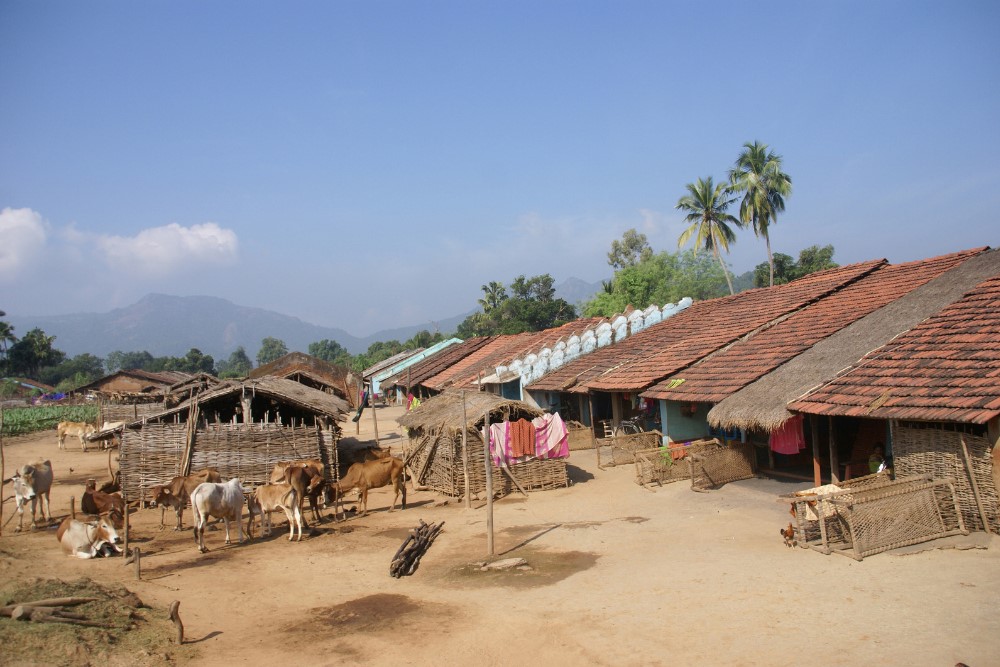
Planning a journey through tribal Odisha is different from organizing a conventional sightseeing holiday. The region is known for its beautiful landscapes, diverse indigenous cultures, traditional villages, colourful weekly markets and distinctive cultural heritage. But exploring these places requires thoughtful preparation, realistic travel schedules and respect for local communities.
From the hills of Koraput and Rayagada to the Bonda cultural region of Malkangiri and the forests of Kandhamal, southern Odisha offers experiences that are difficult to find on a typical tourist route.
However, travelling through these regions also brings practical challenges. Roads can be slow, accommodation options may be limited, mobile connectivity can be unreliable, and some villages have access restrictions. Weekly markets operate on specific days, while cultural events and community visits depend on local circumstances.
These Odisha tribal travel tips will help you prepare for a safe, comfortable and culturally respectful journey.
Whether you are planning a seven-day cultural tour or an extended journey through southern Odisha, here are 15 essential things to know before you go.
1. Understand That Tribal Odisha Is Not One Single Destination
One of the most important things to understand before visiting tribal Odisha is that the region is geographically and culturally diverse.
Odisha is home to numerous Scheduled Tribe communities, each with its own cultural traditions, languages, histories and ways of life.
The main destinations included in many southern Odisha cultural itineraries are:
Koraput: Known for its mountainous landscapes, Gadaba and Paraja cultural regions, Kotpad weaving, Kunduli market and nearby Jeypore.
Rayagada: Associated with the Niyamgiri Hills, Dongria Kondh cultural heritage and Chatikona weekly market.
Malkangiri: Home to the Bonda cultural region and the well-known Onukadelli weekly market.
Kandhamal: Known for its forested landscapes, Kondh cultural regions and traditional rural communities.
Nabarangpur: Another culturally diverse district with rural markets, agricultural traditions and indigenous communities.
These destinations are separated by considerable distances, and each requires different travel arrangements.
Rather than trying to visit every district, choose a route based on your interests and available time.
Explore: Tribal Destinations in Odisha
2. Choose the Best Time to Visit Tribal Odisha
The most comfortable period for exploring southern Odisha is generally October to March.
During these months, temperatures are usually more suitable for road journeys, village walks and outdoor activities.
October to November
The landscape often remains green following the monsoon. Conditions can be pleasant, although occasional rainfall is possible.
December to February
These months are often preferred for cultural tours because daytime temperatures are generally comfortable.
Early mornings and evenings can be cooler in elevated areas such as Koraput.
March
Travel is still possible, but temperatures begin to rise in many locations.
April to June
Summer can be hot, particularly in lower-elevation areas. Long outdoor visits may become uncomfortable.
July to September
The monsoon brings lush landscapes but can also cause difficult road conditions, delays and reduced accessibility in remote areas.
Our recommendation: For a first-time international visitor planning a market-focused cultural tour, November to February is usually a practical choice.
Read: Best Time for Odisha Tribal Tourism
3. Plan Your Itinerary Around Weekly Tribal Market Days
This is one of the most important practical tips for visiting southern Odisha.
Many travellers come specifically to experience the traditional weekly markets of Koraput, Rayagada and Malkangiri.
These markets are not held every day.
Three well-known markets are traditionally scheduled as follows:
| Weekly Market | Usual Day | District |
|---|---|---|
| Chatikona | Wednesday | Rayagada |
| Onukadelli | Thursday | Malkangiri |
| Kunduli | Friday | Koraput |
Market schedules should be reconfirmed before travelling, particularly around holidays or local disruptions.
Why Market Days Matter
Suppose you arrive in Rayagada on Thursday expecting to visit Chatikona market. You may have missed the main weekly gathering.
Similarly, visiting Onukadelli on a Monday will not provide the same experience as attending its regular Thursday market.
A carefully designed route can connect these markets over three consecutive days.
Wednesday: Chatikona market, followed by onward travel towards Jeypore.
Thursday: Onukadelli market, with suitable stops depending on local arrangements.
Friday: Kunduli market and additional Koraput-region sightseeing.
These are working markets where residents buy and sell produce and everyday goods. Visitors should observe respectfully and avoid interfering with trade.
Read: Odisha Tribal Market Circuit Guide
4. Check Village Access Rules and Permit Requirements Before Travelling
Not every tribal village in Odisha is open to visitors.
Some areas, particularly those associated with Particularly Vulnerable Tribal Groups (PVTGs), are subject to specific restrictions and administrative conditions.
Requirements may depend on the location, visitor nationality, purpose of the visit and current government rules.
Important for International Travellers
A valid Indian visa does not automatically authorize entry into every restricted village or protected area.
Do not assume that a general tourist itinerary, an invitation from an individual or an online travel advertisement provides permission to enter a restricted settlement.
Before including a sensitive location in your itinerary:
- Confirm the current rules with the relevant authorities.
- Check whether foreign visitors are permitted.
- Obtain any required approvals before travelling.
- Respect community decisions about visits.
- Be prepared to substitute another destination if access is not permitted.
The rules can change, so advice from an older blog or tour itinerary may no longer be accurate.
Important: Visiting a publicly accessible weekly market is not the same as obtaining permission to enter a restricted settlement.
Read: How to Visit Tribal Villages in Odisha
5. Travel with a Knowledgeable Local Guide
A knowledgeable guide can make a significant difference when exploring southern Odisha.
Beyond navigation, a suitable local guide may help travellers understand cultural contexts, communicate respectfully and avoid misunderstandings.
Why a Guide Is Useful
Language: Different communities speak different languages, and not everyone speaks English or Hindi.
Local customs: A guide familiar with the area can explain appropriate behaviour and local expectations.
Market visits: A guide can help visitors understand how the market functions without disrupting vendors.
Village access: A responsible guide can help identify whether a proposed visit is appropriate and what permissions are required.
Travel logistics: Local knowledge is valuable when dealing with remote roads and changing conditions.
However, hiring a guide does not override legal restrictions or community consent.
Choose guides and tour operators who respect local communities rather than promising unrestricted access to every village.
6. Never Photograph People Without Permission
Photography is one of the most sensitive aspects of tribal tourism.
Many visitors are interested in traditional jewellery, textiles, markets and cultural celebrations.
But the people wearing these ornaments or participating in daily activities are individuals, not tourist exhibits.
Photography Etiquette
Always ask permission before taking a close-up photograph.
Respect a refusal immediately.
Do not photograph children without appropriate permission from their parent or guardian.
Avoid photographing people while they are bathing, eating, receiving medical care or engaging in private activities.
Do not use a telephoto lens to bypass someone’s refusal.
Never enter a home or ceremonial space simply to take photographs.
Should You Pay for Photographs?
Avoid treating payment as automatic permission to photograph someone.
If a legitimate portrait or cultural photography session is arranged, terms should be agreed voluntarily and fairly in advance.
The person being photographed must be free to decline.
Our recommendation: Focus on landscapes, market scenes where photography is permitted, traditional crafts and meaningful experiences rather than collecting intrusive portraits.
Read: Responsible Tribal Tourism in Odisha
7. Allow Enough Time for Road Travel
Distances in southern Odisha can be misleading.
A journey that looks short on a map may take longer because of winding roads, hills, traffic, roadworks or weather conditions.
Some attractions and markets also require early starts.
Practical Travel Planning
Avoid scheduling too many destinations on the same day.
Keep additional time for meals, rest stops and unforeseen delays.
Try to reach your overnight destination before dark, particularly when travelling through unfamiliar remote areas.
Remember that a market visit may take several hours, especially when the experience includes learning about local produce, crafts and community life.
Choose the Right Vehicle
For a private cultural tour, a comfortable vehicle with an experienced driver is usually the most practical option.
Vehicle selection should depend on:
- Group size.
- Luggage requirements.
- Road conditions.
- Passenger comfort.
- Total driving distance.
For longer journeys, avoid filling every seat if it leaves passengers with insufficient legroom or luggage space.
8. Book Accommodation in Advance
Accommodation options are more limited in remote parts of southern Odisha than in major tourist cities.
Towns such as Koraput, Jeypore and Rayagada provide practical bases for many cultural itineraries.
Where to Stay
Rayagada: Useful for visiting Chatikona and exploring the wider region.
Jeypore: A convenient base for Onukadelli excursions and nearby cultural destinations.
Koraput: Suitable for regional sightseeing, local markets and cultural experiences.
Bhubaneswar: A practical arrival or departure city with a wider range of hotels.
What to Expect
Hotels in smaller towns may offer simpler facilities than international travellers are accustomed to.
Before booking, confirm:
- Air conditioning or heating requirements.
- Hot-water availability.
- Reliable electricity.
- Breakfast arrangements.
- Room accessibility.
- Payment methods.
Do not assume that every remote destination has high-end accommodation.
Read: Where to Stay in Tribal Odisha
9. Carry Cash for Markets and Rural Areas
Digital payments are widely used in many parts of India, but cash remains useful when travelling through remote markets and villages.
Small vendors may not accept international cards, and mobile-based payment systems may be unavailable or unreliable.
Practical Cash Tips
Carry smaller Indian rupee notes for modest purchases.
Avoid displaying large amounts of money in crowded markets.
Keep emergency cash separately from your everyday wallet.
Use ATMs in larger towns when possible.
Ask your tour operator which expenses are included and which must be paid locally.
If you plan to buy handicrafts, allow a reasonable budget for handmade products.
Support local artisans through fair purchases rather than aggressive bargaining.
10. Prepare for Limited Mobile Connectivity
Mobile connectivity can vary considerably across southern Odisha.
Network coverage may be reasonable in larger towns but weaker in hilly or remote areas.
International roaming may also be expensive or unreliable.
Before Leaving Your Hotel
Download offline maps.
Save your hotel address and emergency contacts.
Keep a copy of your itinerary.
Charge your phone and power bank.
Tell your guide or driver if you have an important call or online commitment.
SIM Cards for International Visitors
If you plan to use an Indian SIM or eSIM, check availability, identification requirements and activation arrangements before arrival.
Not all international devices or plans work equally well on Indian networks.
Avoid depending entirely on mobile internet for navigation or communication.
11. Pack for Changing Weather and Rural Conditions
The right clothing and travel essentials can make your journey much more comfortable.
Essential Packing Checklist
- Comfortable walking shoes.
- Lightweight, modest clothing.
- A light jacket for cooler mornings.
- Sun protection and a hat.
- Insect repellent.
- Reusable water bottle.
- Personal medicines.
- Hand sanitizer.
- Power bank.
- Small daypack.
- Rain protection when appropriate.
- Copies of important travel documents.
What to Wear in Villages
Choose comfortable, respectful clothing suitable for rural environments.
There is no need to imitate traditional community dress.
Avoid clothing that may be inappropriate for visits to religious or culturally sensitive places.
For village walks and markets, closed footwear is often more practical than sandals.
12. Take Food and Drinking-Water Precautions
Southern Odisha offers interesting regional food traditions, including millet preparations, seasonal vegetables, bamboo shoots and locally cultivated produce.
However, travellers should approach unfamiliar food with normal hygiene precautions.
Food Safety Recommendations
Drink properly treated, filtered or sealed water.
Choose freshly cooked meals served hot.
Avoid food that appears to have been stored improperly.
Wash or peel fruit using safe water.
Communicate allergies and dietary restrictions before travelling.
Do not consume unidentified wild mushrooms, roots or other forest foods.
Traditional Foods Worth Learning About
Mandia pej: A finger millet preparation associated with regional food traditions.
Millet dishes: Including flatbreads and cooked grains.
Seasonal saaga: Locally prepared leafy vegetables.
Karadi: Bamboo shoot preparations that require proper processing and cooking.
Availability depends on season, location and the establishment preparing the food.
Read: Traditional Tribal Food of Odisha
13. Respect Local Customs, Traditions and Community Privacy
Odisha’s indigenous communities have diverse languages, beliefs, customs and social practices.
A respectful visitor should avoid assuming that all communities share the same traditions.
Important Cultural Etiquette
Ask before entering homes or private spaces.
Do not interrupt ceremonies or religious activities.
Respect local restrictions on sacred sites.
Avoid touching personal ornaments, clothing or ceremonial objects without permission.
Do not ask people to perform dances or rituals solely for photographs.
Never distribute sweets or money to children as a tourist activity.
Avoid making judgments about unfamiliar customs.
Remember That Villages Are Homes
A tribal village is not an open-air museum.
People live, work, raise families and maintain social relationships there.
Any visit should be appropriate, voluntary and respectful of community preferences.
Explore: Tribal Villages of Odisha
14. Learn About Traditional Crafts and Support Local Artisans
Handicrafts are an important part of Odisha’s cultural heritage.
For travellers, learning about traditional crafts can be one of the most rewarding experiences of a cultural journey.
Crafts to Discover
Kotpad handloom: Naturally dyed textiles associated with weaving communities in Koraput district.
Kapdaganda embroidery: A distinctive textile tradition associated with the Dongria Kondh.
Traditional jewellery: Including community-specific beadwork and metal ornaments.
Bamboo and cane crafts: Practical baskets and household objects made by skilled artisans.
Saora painting: A distinctive indigenous visual art tradition associated with Saora communities.
Responsible Shopping
Ask who made the product.
Choose authentic handmade goods when possible.
Pay a fair price.
Do not assume that a person’s traditional ornaments are available for sale.
Avoid purchasing wildlife products or objects that may have been acquired unlawfully.
Read: Tribal Handicrafts of Odisha
15. Choose a Responsible Tour Operator and a Realistic Itinerary
A well-organized cultural journey requires more than transportation and hotel bookings.
The tour operator should understand market schedules, local road conditions, accommodation options, cultural etiquette and applicable access restrictions.
Questions to Ask Before Booking
Is the itinerary realistic?
Check whether daily driving distances allow enough time for visits and rest.
Are the weekly markets scheduled correctly?
Confirm that the route matches the market days.
Are village visits permitted?
Ask how access and local permissions are handled.
Is the guide experienced?
A guide should understand the local cultural context and appropriate visitor behaviour.
What is included in the package?
Confirm hotels, meals, vehicle, guide, entry fees and other expenses.
What happens if a planned visit is unavailable?
A responsible operator should provide a suitable alternative rather than guaranteeing access that cannot be assured.
Why Private Tours Can Be Useful
A private tour allows more flexibility with travel pace, accommodation, interests and route planning.
It can also be adjusted to suit photography interests, handicraft experiences or specific weekly markets, within legal and community boundaries.
Explore: Odisha Tribal Tour Packages
How Many Days Do You Need for an Odisha Tribal Tour?
The ideal duration depends on how much of southern Odisha you want to explore.
5–6 Days: Short Market-Focused Journey
Suitable for travellers mainly interested in the three-market circuit, provided the route and arrival days align correctly.
7–8 Days: Cultural Introduction
Allows more time for Rayagada, Jeypore, Koraput and selected cultural experiences.
9–10 Days: More Relaxed Southern Odisha Journey
Provides additional flexibility for village-region visits, local crafts, landscapes and rest.
14–15 Days: Extended Odisha Cultural Tour
Suitable for combining southern Odisha’s indigenous cultural regions with additional destinations such as Bhubaneswar, Puri, Konark and other parts of the state.
Read: Odisha Tribal Tour Itinerary: 7, 10 & 15 Day Route Ideas
Suggested Route for First-Time Visitors
For a first-time visitor interested in the weekly markets of southern Odisha, a practical route can include:
Bhubaneswar → Rayagada → Chatikona → Jeypore → Onukadelli → Kunduli → Koraput → Departure
The order and overnight stops should be adjusted according to your arrival date, market days and preferred departure airport or railway station.
Why This Route Works
It connects several important cultural regions.
It can be aligned with the Wednesday, Thursday and Friday markets.
It provides opportunities to learn about local crafts, agricultural traditions and regional landscapes.
It can be extended to include more destinations without requiring every visitor to follow the same schedule.
Remember that community visits are always subject to appropriate access conditions.
Explore: Odisha Tribal Market Tour
Common Mistakes to Avoid When Visiting Tribal Odisha
Even experienced travellers can make mistakes when planning a first journey through the region.
Trying to cover too many destinations: This leads to excessive driving and limited time at each stop.
Ignoring market days: The main weekly markets operate on specific days.
Assuming unrestricted village access: Certain areas have legal or community restrictions.
Photographing without permission: This can be intrusive and disrespectful.
Expecting luxury accommodation everywhere: Facilities vary across smaller towns.
Relying entirely on mobile internet: Connectivity may be unreliable.
Treating cultural traditions as performances: Community life should never be staged for tourist entertainment.
Booking without confirming the itinerary: Always check routes, inclusions and realistic travel times.
Avoiding these mistakes can make your journey more comfortable and respectful.
Essential Pre-Departure Checklist for International Travellers
Before travelling to Odisha, make sure you have completed the following preparations:
- Confirm passport validity and appropriate Indian visa requirements.
- Arrange suitable travel insurance.
- Discuss recommended vaccinations and personal health precautions with a qualified travel-health professional.
- Confirm arrival and departure arrangements.
- Check market days and route sequencing.
- Verify access rules for sensitive destinations.
- Book accommodation and transportation.
- Inform your operator about dietary requirements.
- Carry suitable clothing, medicines and emergency contacts.
- Keep digital and offline copies of your travel documents.
For official visa information, consult the Government of India’s Indian Visa Online portal.
Frequently Asked Questions About Visiting Tribal Odisha
Is tribal Odisha safe for tourists?
Many established cultural routes are visited by travellers, but safety depends on the location, road conditions, current advisories and travel arrangements. Use reliable transportation, follow local guidance and avoid entering restricted or unfamiliar areas without appropriate authorization.
Do foreign tourists need permission to visit tribal villages in Odisha?
Some villages and protected or restricted areas have specific rules, especially in PVTG regions. Requirements vary, so foreign visitors should verify the current regulations before including these locations in their itinerary.
What is the best month to visit tribal Odisha?
November to February is generally a comfortable period for exploring southern Odisha, although travel is possible at other times of the year.
Which tribal markets should I visit in Odisha?
Chatikona, Onukadelli and Kunduli are among the best-known weekly markets included in southern Odisha cultural itineraries.
On which days are the tribal markets held?
Chatikona is traditionally held on Wednesday, Onukadelli on Thursday and Kunduli on Friday. Confirm the current schedule before travelling.
Can I photograph tribal people in Odisha?
Only with appropriate permission. Always respect individual consent, privacy and any local restrictions on photography.
How many days are enough for an Odisha tribal tour?
A market-focused journey may be possible in five to six days, while seven to ten days allows a more comfortable introduction to southern Odisha. Longer itineraries can cover additional regions.
Is a local guide necessary?
A knowledgeable local guide is strongly recommended for cultural understanding, communication and practical planning. A guide cannot override legal restrictions or community decisions.
Where should I stay during an Odisha tribal tour?
Rayagada, Jeypore and Koraput are useful accommodation bases for many southern Odisha itineraries.
Can I visit the Bonda Hills?
Access to Bonda settlements and other sensitive areas is subject to applicable restrictions and local conditions. Do not assume that visiting Onukadelli market provides permission to enter the Bonda Hills.
What should I wear when visiting tribal villages?
Comfortable, modest clothing and practical walking shoes are generally suitable. Follow any additional local guidance.
Can I buy traditional handicrafts during the tour?
Yes, when genuine crafts are available for sale through artisans, local markets or reputable outlets. Respect personal and ceremonial objects that are not offered for sale.
Plan Your Odisha Tribal Journey with Confidence
Visiting tribal Odisha can be a memorable experience for travellers interested in indigenous cultures, traditional markets, regional crafts and beautiful landscapes.
But a meaningful journey begins with preparation.
Understanding weekly market schedules, respecting village access rules, allowing sufficient travel time and following appropriate cultural etiquette will help you explore the region responsibly.
At Odisha Tribal Trails, we organize private and customizable cultural journeys through Koraput, Rayagada, Malkangiri, Kandhamal and other parts of Odisha.
Our itineraries are designed around practical travel routes, local conditions and respectful cultural experiences.
Whether you are planning a short market-focused trip or an extended cultural tour, we can help you choose a suitable journey.